In short
- Morning slots provide the calmest winds and least turbulence.
- Early sunlight creates sharp shadows inside the shallow trenches.
- May through October offers the clearest skies year-round.
In this article
Choosing the right time for your Nazca flight directly impacts your visibility and comfort. The desert heats up rapidly throughout the morning. This temperature shift creates thermal winds that cause turbulence for small Cessna aircraft. Flying early guarantees a smoother ride and better photography conditions.
When is the best time of day to see the Nazca Lines?
The best time to fly is between 7:00 AM and 9:00 AM.
Morning air is cool and stable. This prevents the severe turbulence that develops as the sun heats the desert floor later in the afternoon. Early morning sunlight also hits the ground at a low angle.
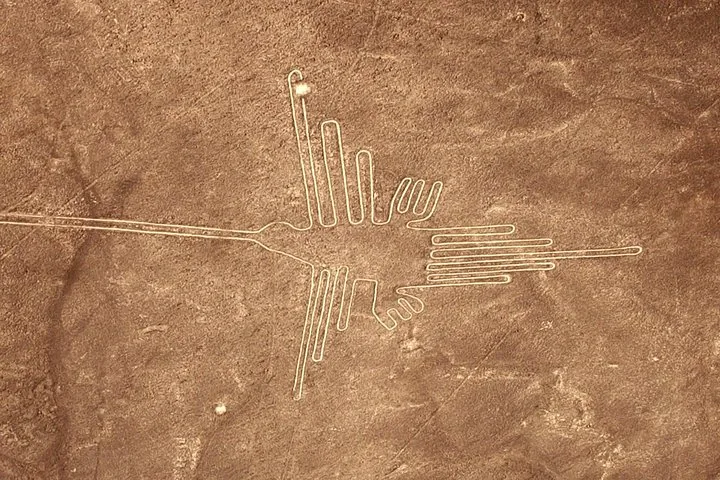
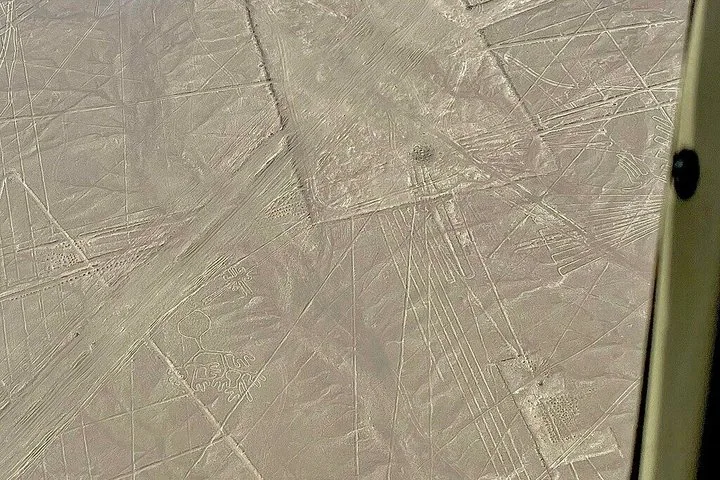
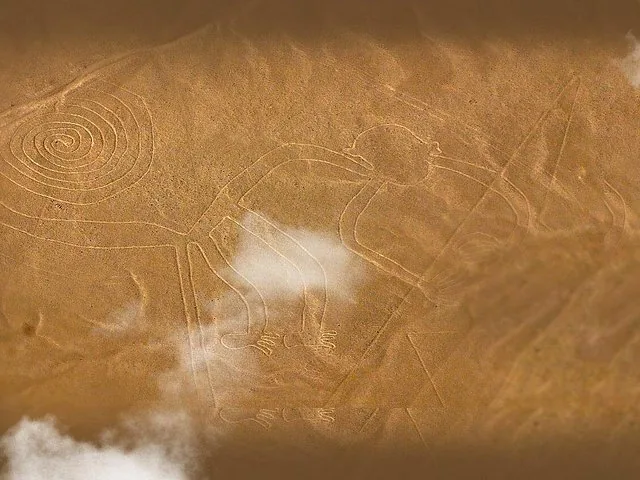
This creates dark shadows inside the 10- to 15-centimeter deep trenches. The light-colored clay figures stand out clearly against the red surface pebbles.
What is the best season to fly over Nazca?
May through October provides the clearest skies and calmest winds.
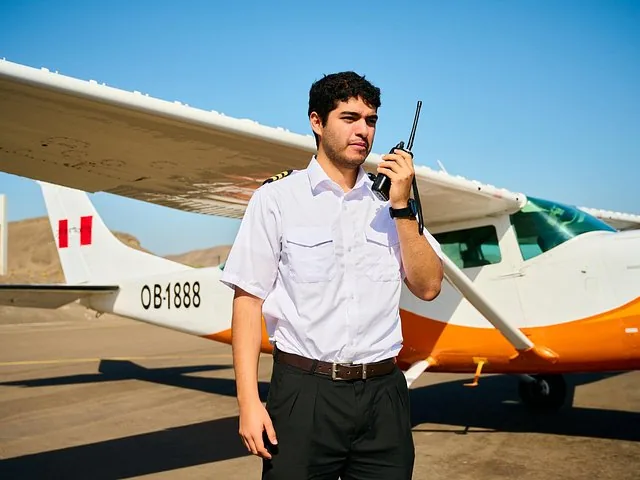
While flights operate year-round, the dry winter months in Peru yield the best visibility. Summer months can occasionally experience morning haze or stronger afternoon winds. Booking during the winter dry season reduces the chance of weather-related delays at María Reiche Neuman aerodrome.

Do Nazca flights get delayed?
Yes, coastal fog and high winds can temporarily ground flights.
Aviation authorities strictly enforce weather safety rules. If you fly from alternative locations like Pisco Airport, morning coastal fog often causes delays. The main Nazca airport sits inland, so it suffers fewer fog issues. However, afternoon winds still pose a risk.
Booking the earliest slot puts you at the front of the queue if weather pauses operations.
Does the flight time affect motion sickness?
Yes, flying early reduces turbulence and the risk of nausea.
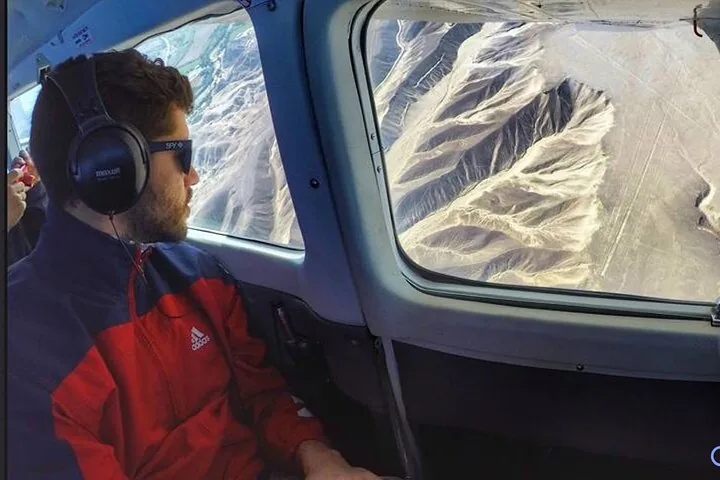
The 2- to 12-passenger aircraft make steep banking turns so both sides of the plane can see the figures. When combined with afternoon thermal winds, this aggressive maneuvering often causes motion sickness.
An early morning flight means calmer air. You should take Dramamine and fly on an empty stomach. Read our guide on Prevent Motion Sickness for more preparation details.

How long does the flight last?
Classic scenic flights from Nazca last 30 to 35 minutes.
During this half-hour flight, the pilot flies over roughly 17 main figures. You will see massive shapes like the 285-meter Pelican and 93-meter Hummingbird. Arrive at the airport at least 45 minutes before your scheduled departure.
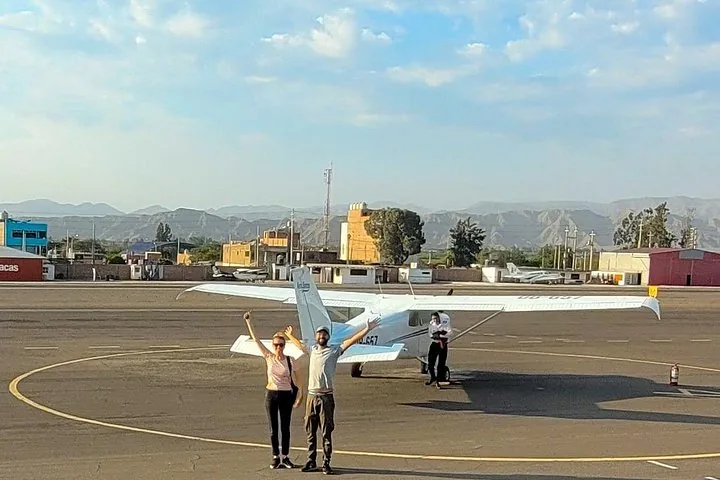
You need this time to present your original physical passport and weigh in. You must also pay the 30 PEN airport tax and 47 PEN tourist ticket in cash.
When should I visit the observation tower?
Visit the Mirador Metálico after your morning flight.
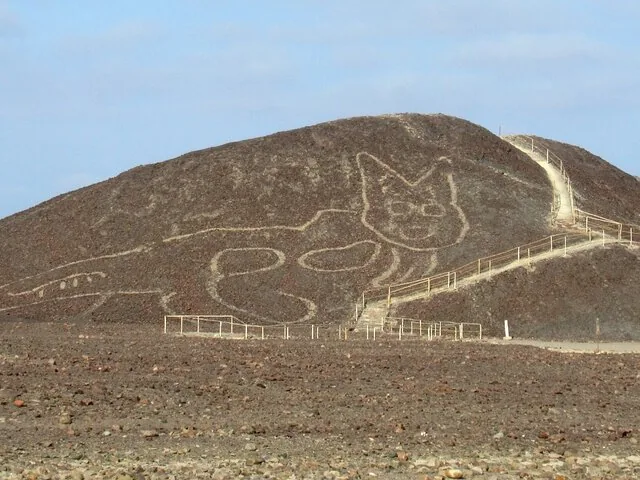
The 13-meter roadside tower costs 3 to 7 PEN to climb. It offers oblique views of the Hands and Tree figures. Since the tower requires no advance booking, it is a practical mid-day activity.
Combine it with a trip to the nearby Museo Maria Reiche. There you can learn how the German mathematician protected these ancient geoglyphs.
Questions travellers ask
Can I fly over the Nazca Lines in the afternoon?
Yes, afternoon flights run daily, but they face higher risks of turbulence and weather delays due to strong desert winds. Lighting is also flatter, making the shallow lines slightly harder to spot.
How far in advance should I book my flight?
Book several weeks ahead if you want the prime 7:00 AM to 9:00 AM slots, especially between May and October. These morning times sell out quickly.
Does it rain in Nazca?
The Nazca region has an extremely dry, windless climate. Rain is incredibly rare, which is why the geoglyphs have survived for over 2,000 years.